
JUNE 23 - JUNE 27, 2027
Shamanic Pilgrimage
to Machu Picchu
Walk the Inca Trail as Pilgrimage,
Not Just a Trek
Perhaps you’ve dreamed of trekking to Machu Picchu, but you’re looking for something deeper than an adventure or a sightseeing tour. You want time to slow down, connect with the land, engage meaningfully with Indigenous wisdom, and allow the journey itself to become part of your spiritual practice.
That is why I created this pilgrimage.
I invite you to join me for a five-day journey through the Andes Mountains to Machu Picchu—one that brings together physical challenge, spiritual practice, Indigenous Andean wisdom, and community.
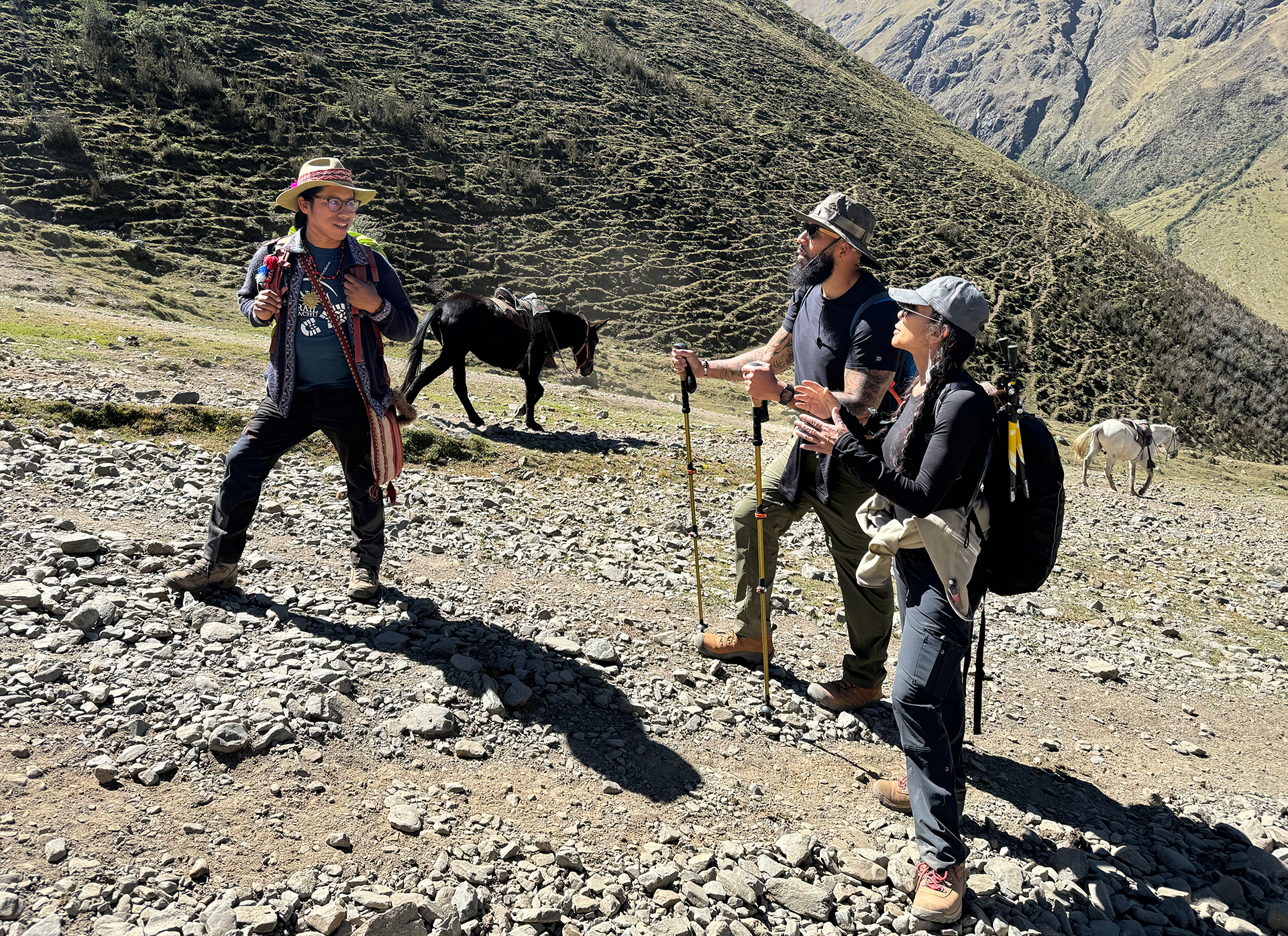
Along the way, we'll be accompanied by a gifted trekking guide, who is also a Paqo (Andean Shaman). Together, we will introduce you to ceremonies, teachings, and authentic ways of relating to the sacred place-fields. I will also share practices and perspectives drawn from Yoga and Tantra, creating opportunities to explore the places where Andean and Yogic wisdom can enter into meaningful dialogue.
Pilgramage
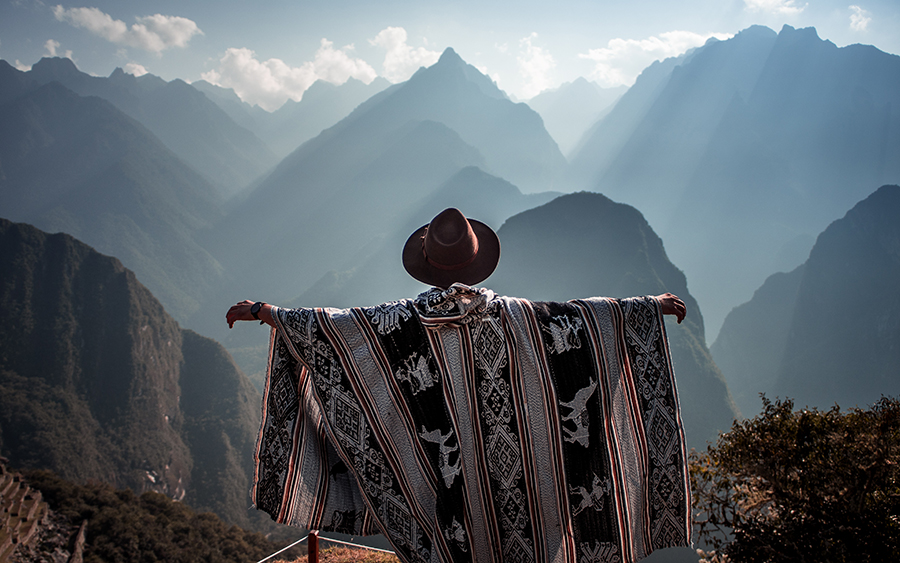
We will trek the historic Inca Trail, part of the Qhapaq Ñan, following ancient pathways through extraordinary Andean place-fields and sacred sites before reaching Machu Picchu.
Our route will take us through places such as Wayllabamba, Llulluchapampa, Runkurakay, and the sacred Willka Mayu River. We will approach these places not simply as stops on an itinerary, but as living guides to pay respect to. Every site and ceremony will cleanse and prepare us for our arrival at Machu Picchu.
Although the experience is physically demanding, you won’t be making the journey alone. Our group will have the support of porters, professional cooks, and prepared campsites.
My intention is to create an experience in which you can devote your energy to the pilgrimage itself, rather than worrying about the logistics and having to carry your gear.
A Meeting of Andean and Yogic Wisdom
One of the things that makes this pilgrimage distinctive is its focus on spiritual practitioners.
Throughout our journey, I will help create a bridge between Quechua Andean teachings and Yogic philosophy and practice. As both a Yachaq Paqo (Shaman of Wisdom) and Tantra Yoga instructor, I’m particularly interested in the ways these traditions can deepen our understanding of relationship, reciprocity, embodiment, nature, and spiritual practice.
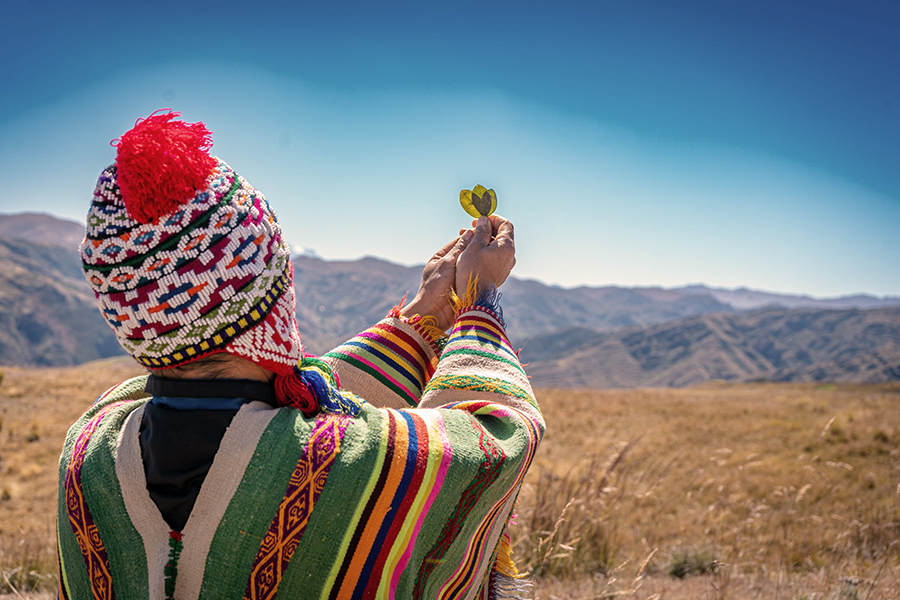
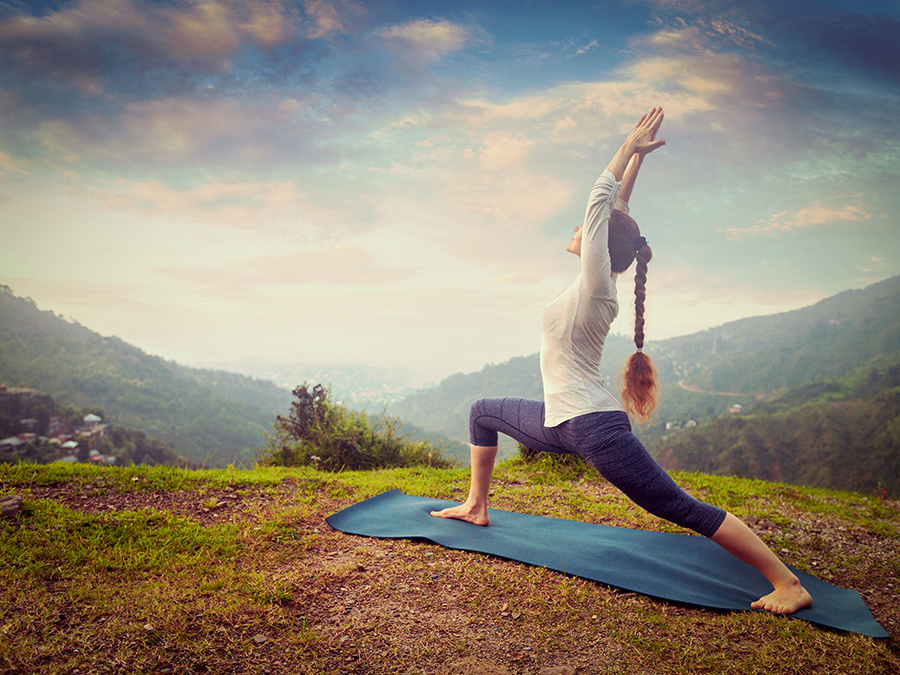
You will have opportunities to participate in Andean ceremonies and rituals, learn from Andean wisdom keepers, practice mornign yoga flows, meditation and contemplation in the mountains, and explore Yogic perspectives that complement the pilgrimage. The extended time immersed in this environment also gives us something increasingly rare in everyday life: space to become quiet, attentive, and deeply present. This journey will also help participants approach Indigenous knowledge with respect, humility, reciprocity, and greater understanding.
My Doctoral Research
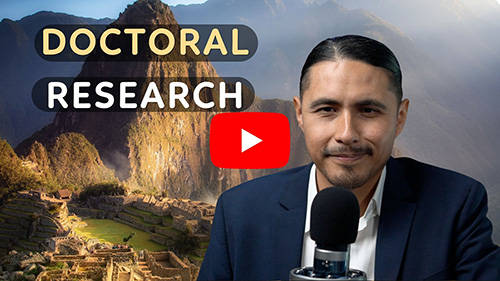
Watch my doctoral research presentation about bringing Quechua and Yogic practices together. Click to watch on my Youtube channel: @GustavoKusiMonje.
Testimonial
Norma Wong
Former Pilgrimage to Machu Picchu Participant
What You'll Experience
Andean Spiritual Ways.
I’ll introduce you to foundational principles of the Quechua Andean cosmovision—a rich tradition of philosophy, relationship, ceremony, and spiritual practice.
Spiritual Community (Ayllu)
You will make this journey alongside a small community of spiritually minded people who have also chosen to approach Machu Picchu with intention.
Pilgrimage Along the Inca Trail
The trek itself is part of the spiritual experience. As we travel toward Machu Picchu, sacred places along the route become opportunities for ceremony, reflection, purification, and preparation.
Culturally Decolonial Approach
Our pilgrimage will include an orientation to the cultural, historical, and post-colonial contexts surrounding engagement with Indigenous wellness and spiritual teachings.

Communion with Nature
The Andes are not simply the backdrop for our pilgrimage. Throughout the journey, we will cultivate relationship with the Apus (sacred mountains), rivers, stones, plants, and other beings of the Andean landscape.
Guidance for Carrying a Mesa
If you feel called to explore becoming a Mesa carrier, you can receive guidance in developing your relationship with khuyas or willka rumis (sacred stones) and learning about the Andean healing bundle known as the Mesa.
Interested in Joining?
I invite you to sign up for updates:
* We currently DO NOT accept hotmail, yahoo, verizon, or aol accounts.
Meet your guides
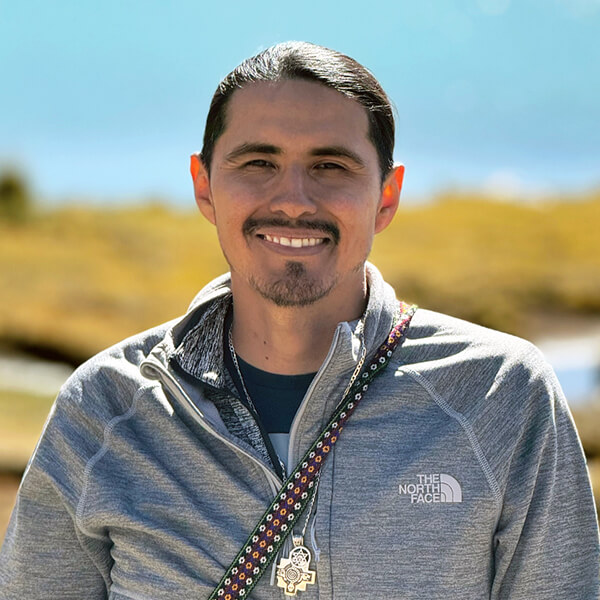
I am Dr. Gustavo Kusi Monje, PhD (Quechua) one of your teachers and one of the Paqos (shamans) that will be assisting you.
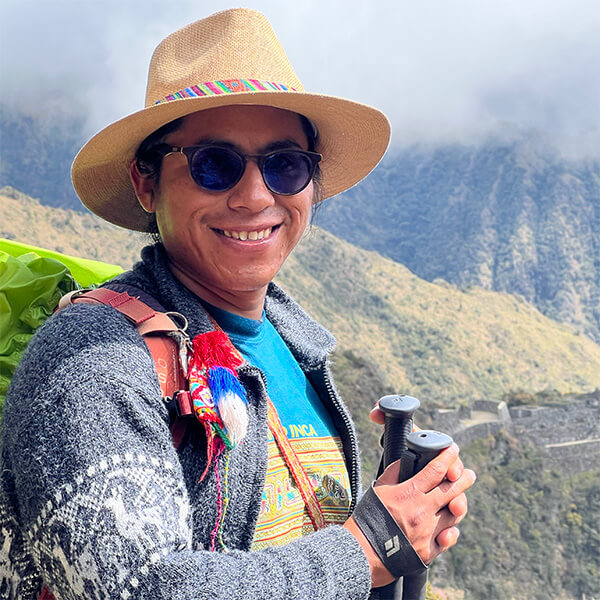
I am Wayra Quispe (Quechua) a professional trekking guide and one of the paqos (shamans) assisting you on this journey. Visit my tour company Wilkapacha Experiences to learn more about what I do.
Payment & Deposit Info
PRICE: $1,390
Nonrefundable Deposit
(Due February 15, 2027): $500
All private transportation
Pick-up and drop off at Cusco airport
All entry tickets to trail and sacred sites
Professional trekking Guide
Professional cooks
Campsite tents and camping equipment
Porters to carry bags
Train ticket from Aguas Calientes to Cusco
Primarily all organic vegetarian food
Spiritual ceremony items
One hotel night in Aguas Calientes
First aid kit and personal assistance
Frequently Asked Questions
How physically fit do I have to be to enjoy this program?
This is a physically challenging trek through mountainous terrain (4 - 8 hours a day) and at high altitude. Participants should arrive physically conditioned and prepared for sustained hiking. You do not need to be an elite athlete, but you should be comfortable with physical exertion and willing to prepare for the demands of the Inca Trail before the pilgrimage.
How can I condition my body to prepare for the trek?
To prepare, endeavor to go on weekly hikes at least six weeks prior to our trip, where you work your way up to hike for 5-6 hours. Find the local mountains near where you live to train your body and practice trekking. Also, endeavor to have a regular gym routine, where you work-out and build muscle on your legs on a consistent basis. This is very important for you to have an enjoyable time. For participants who would like less trekking, we are offering the option to join our group for only five days, which will only have 4 actual days of trekking. This option can reduce the strenuousness of hiking.
What kind of meals will be available on the trek?
In case you don't know, food in Peru is a delicacy! Our chefs ares professionals, who will be cooking all vegetarian meals. On one or two occasions, we may visit a restaurant where meat will be available. Our chefs can accommodate dietary preferences. Please let us know in advance what you would need.
What kind of temperatures can I expect?
Late June falls during the dry season in the Andes, which generally means clearer skies and less rainfall—but also significant temperature changes between day and night.
During the day, temperatures along the Inca Trail can be pleasantly mild, often around 60–70°F (15–21°C). At higher elevations and overnight, however, temperatures can drop considerably, sometimes approaching freezing (32°F/0°C).
Because we will experience different elevations and microclimates throughout the pilgrimage, I recommend preparing for both warm sunshine and cold mountain conditions. Layers, warm clothing for evenings and early mornings, sun protection, and appropriate rain gear are essential. I will provide participants with more detailed guidance on what to pack as we prepare for the journey.
Who is this pilgrimage for?
This pilgrimage is for spiritually minded people, who are physically conditioned to trek. This pilgrimage may be particularly meaningful if you feel called to visit Machu Picchu as part of a spiritual journey; want to learn about Andean ceremonial traditions in their cultural context; are curious about the relationship between Quechua Andean and Yogic wisdom; enjoy challenging experiences in nature; and value traveling with a community of other spiritual seekers.
Above all, this experience is for people who want to participate rather than simply observe—to walk, learn, practice, reflect, and approach Machu Picchu as a pilgrimage.
What do I need to bring?
Most importantly, you will need your valid, original passport—a photocopy will not be accepted—as well as a valid student card if you registered using a student rate and any immigration documentation provided when you enter Peru.
For the trek itself, you will need comfortable, lightweight hiking boots, a good-quality daypack, and enough water storage to carry at least two liters. Your daypack should be light and comfortable, since you will carry it with you each day.
I recommend keeping your daily essentials in your daypack, including a hat, sunglasses, sunscreen, rain gear, insect repellent, warm layers, hand sanitizer, toilet paper, personal medications, basic blister care such as Band-Aids or moleskin, a headlamp, and some extra snacks or energy bars. If you are bringing a camera or other electronics, remember any batteries or charging equipment you may need. It is also useful to carry some Peruvian currency in small denominations for personal purchases, drinks, tips, and small expenses along the way.
You will also want clothing that can be easily layered. We will travel through different elevations and temperatures, and evenings at camp can become quite cold. I recommend bringing several moisture-wicking shirts along with a warm jacket, hat, gloves, and a comfortable pair of lightweight shoes to wear around camp.
A sleeping bag and sleeping mat will also be needed. I recommend renting them, rather than bringing your own.
You will be provided with a duffel bag for belongings you do not need during the day. This bag will be transported for you during the trek and must weigh no more than 8 kg (about 17.6 lbs), including your sleeping bag and sleeping mat. If you rent these items from us, together they weigh approximately 3.5 kg (about 7.7 lbs).
Don’t worry about having to figure everything out on your own. Before we leave, I will provide more detailed guidance so that you know what to pack, what can be rented, and how to prepare for the changing conditions we will experience along the journey.
Do I need experience with Andean spirituality, shamanism, or Yoga?
No. You do not need previous experience with Andean spiritual traditions, shamanic practices, or Yoga.
I will help introduce the practices and ideas we explore along the way, and we will also receive guidance from an Andean wisdom keeper. I ask participants to come with an open mind and a willingness to learn while respecting the cultural context of the traditions we encounter.
How spiritual is the program?
Spiritual practice is an important part of this journey. This is not simply a trekking tour with a few spiritual activities added to the itinerary.
Throughout the pilgrimage, we will have opportunities for ceremony, meditation, reflection, and learning. We will explore Quechua Andean traditions alongside elements of Yogic practice and philosophy, while allowing the trek itself to become a form of spiritual practice.
What is not included?
The pilgrimage price does not include hotel accommodations in Cusco, a sleeping bag (which can be rented), a sleeping mat, or walking/trekking poles.
You will also be responsible for the entrance fee to the thermal baths/hot springs, any optional tips for guides, porters, cooks, and other support staff, as well as personal purchases and other additional expenses.
I will provide more detailed information about equipment rentals, packing, and other preparations before our pilgrimage.
Still Have Questions?
Copyright © 2026 Gustavo Kusi Monje
Designed by Andra Monje